HENGFENGYOU ELECTRIC --SMART ELECTRIC GLOBAL SERVICE PROVIDER



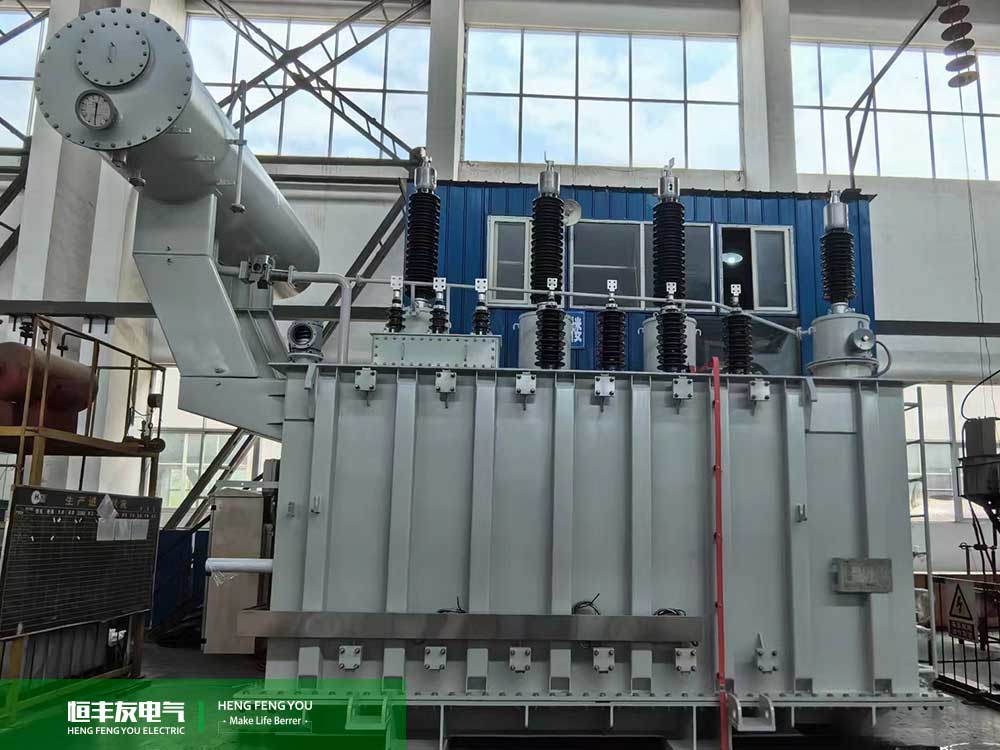
Manufacturer
HENGFENGYOU ELECTRIC
Standard on which performance data is based
IEC 60076,GB 1094-1996,GB/ T6451-2008,GB/T 7597-2007,GOST,SABS,CE,IEC,IEEE/ANSI
Type
OIL IMMERSED
Method of Cooling
ONAN, ONAF, OFAF, OFWF, ODAF, ODWF
Rated Power
40mva
Voltage Ratio
110kv/6.3kv 110kv/6.6 kv 110kv/10.5kv 110kv/11kv
Frequency
50/60HZ
Tap Changer
OCTC/OLTC
HV·Tapping
±8×1.25%
Vector Group
YNd11
Core Material
CRGO Steel
Winding Material
Copper
No Load Losses (GB/T S13 series)
40.4kw
Load Losses (GB/T S13 series)
156kw
Dimensions of Transformer
5420mm*5430mm*5300mm
HENGFENGYOU ELECTRIC designs and manufactures high-voltage 40 MVA power transformers utilizing advanced electromagnetic calculations and structural modeling to satisfy diverse global grid topologies.
40 MVA Step-Down Power Transformer (HV: 110 kV to 115 kV, LV: 6 kV to 35 kV) – Engineered for main regional utility substations and distribution centers to step down grid voltage for local industries.
40 MVA Step-Up Power Transformer (HV: 110 kV, LV: 10.5 kV to 13.8 kV) – Tailored for power plants, hydro plants, and utility-scale solar/wind farms to step up generator output to high-voltage transmission lines.
40 MVA Dual-Winding or Three-Winding Substation Transformer – Custom engineered with split low-voltage windings to feed separate bus systems or to manage high fault currents.
Global Standard Compliance: Fully complies with GB, IEC, GOST, EN, NF, and ANSI/IEEE standards. Custom engineering is available to meet specific utility grid codes.
International Certifications: Certified by ISO9001, CE, IEC, SABS, COC, CSA, and UL, assuring global cross-border market entry and insurance approval.
Advanced Low-Loss Design: System efficiency exceeds 99%, utilizing laser-scribed CRGO silicon steel cores to satisfy European Tier 2 Eco-design regulations, drastically reducing utility grid losses (OPEX).
Hermetic Reliability & Extended Life: Built with robust, pressure-tested steel tanks, double-pass welding, and premium anti-corrosive coatings, offering a maintenance-free structure with an engineered operational lifespan exceeding 30 years.
Eco-Friendly Sustainability: Optional biodegradable FR3 natural ester (vegetable oil) is available to eliminate soil contamination risks and increase the fire safety rating.
Excellent Short-Circuit & Overload Capacity: Wound with high-purity, oxygen-free copper. The transformer features reinforced mechanical clamping to withstand short-circuit forces and supports short-term emergency overloads up to 150% of the rated capacity (requires active temperature monitoring).
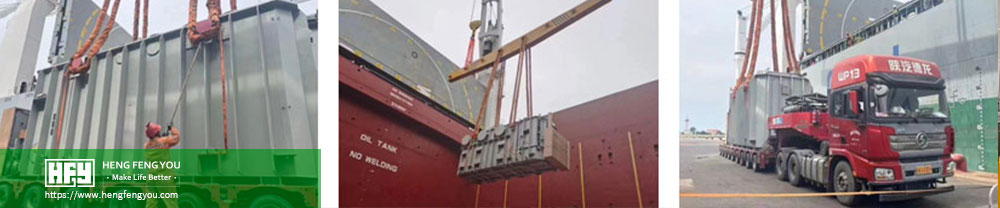
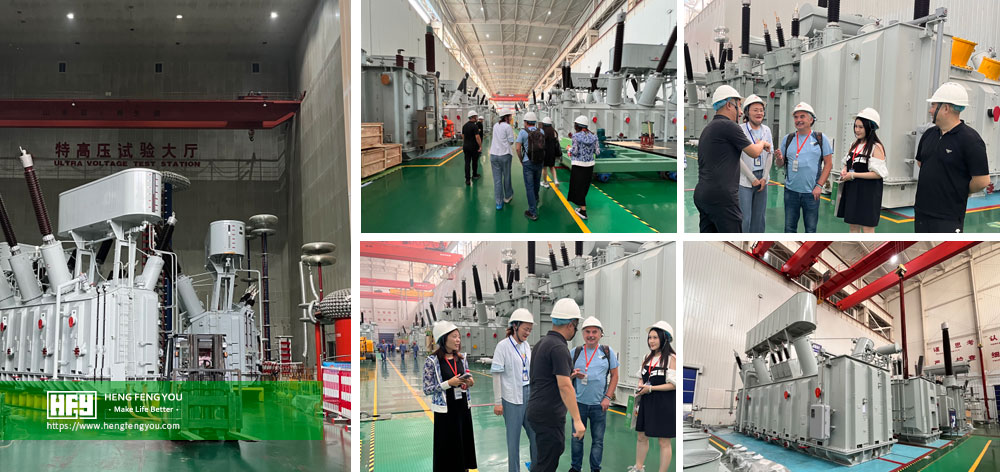
As a premium global high-voltage electrical manufacturer, our accumulated engineering expertise and cutting-edge manufacturing technology have benefited EPC contractors and utilities in more than 50 countries. We focus on establishing long-term, trusted partnerships by delivering zero-defect power products and unparalleled technical support.
A: A 40 MVA-110 kV power transformer is an extra-high-voltage (EHV) grid device engineered to step up or step down voltage in transmission and sub-transmission networks. It typically acts as the main hub in utility substations connecting the 110 kV or 115 kV transmission grid with medium-voltage distribution systems (such as 10.5 kV, 11 kV, 33 kV, or 35 kV).
A: At 110 kV, a 40 MVA transformer is typically designed with dual-stage cooling:
ONAN (Oil Natural Air Natural): Under natural cooling, the transformer can safely operate up to a baseline rating (e.g., 60% or 80% of capacity, around 24 MVA to 32 MVA) without cooling fans.
ONAF (Oil Natural Air Forced): When load increases, the automated temperature-controlled fans switch on. The forced air circulation increases heat dissipation, allowing the unit to continuously and safely deliver its full 40 MVA rating.
A: A 110 kV transformer is highly vulnerable to atmospheric lightning strikes and switching surges. HENGFENGYOU ELECTRIC customizes the winding insulation to provide a Basic Insulation Level (BIL) of 450 kV or 480 kV / 550 kV on the high-voltage winding, depending on regional lightning frequency and your utility's insulation coordination standards.
A: Installing a 40 MVA unit is a heavy civil and electrical engineering project requiring specialized equipment:
Civil Foundation: Must support a massive static and dynamic load (often exceeding 50 to 80 metric tons, including heavy insulation oil).
Vacuum Processing: Because moisture destroys 110 kV insulation, the transformer must undergo high-vacuum oil filling and oil circulation filtering onsite until the breakdown voltage exceeds 55 kV and moisture is below 15 ppm.
Pre-commissioning Tests: Comprehensive site tests include winding insulation resistance (Megger), turns ratio, winding DC resistance, vector group verification, and Dissolved Gas Analysis (DGA) baseline sampling.
A: High-voltage grids experience frequent voltage fluctuations. To maintain a steady output voltage (e.g., 11 kV or 33 kV) for end users, we equip our 40 MVA models with an automated On-Load Tap Changer (OLTC). The OLTC adjusts the winding turns ratio in real-time while the transformer is fully energized and carrying load, ensuring continuous system stability without service interruptions.
A: For 110 kV class grid transformers, oil quality is paramount. It must undergo routine laboratory analysis or continuous online monitoring for:
Dielectric Breakdown Voltage: Must maintain ≥50 kV(Standard for 110 kV systems).
Moisture Content: Must remain ≤ 15 ppm.
Dissolved Gas Analysis (DGA): Detects trace combustible gases (such as hydrogen, acetylene, ethylene, and methane) generated by localized micro-arcs, overheating, or partial discharges inside the tank, helping prevent catastrophic failures.
A: Causes: Grid overloading, radiator cooling fan failures, low oil levels, or internal core/winding insulation deterioration.
System Action:
Oil Temperature Indicator (OTI): Typically set to trigger an Alarm at 85 °C and a Trip at 95 °C.
Winding Temperature Indicator (WTI): Typically configured to trigger an Alarm at 95 °C and a Trip at 105 °C to protect the winding insulation from permanent thermal damage.
A: To protect a critical grid asset of this scale, the substation must integrate:
Differential Protection (87T): The primary high-speed protection that detects internal faults by comparing incoming and outgoing currents.
Buchholz Relay (Gas Relay): Mounted on the pipe to the conservator tank to alarm for minor gas accumulation and trip immediately in the event of severe internal oil surges.
Overcurrent & Earth Fault Protection: Backup protection on both the HV and LV sides.
Pressure Relief Valve (PRV): Releases sudden internal pressure spikes to prevent tank rupture during a short circuit.
A: Since a 40 MVA power transformer is connected to the grid 24/7/365, it incurs continuous No-Load Losses (core losses) even when no power is being drawn. HENGFENGYOU ELECTRIC utilizes high-grade, laser-scribed, grain-oriented silicon steel (CRGO) and precision mitered core joints. This advanced manufacturing process limits no-load losses, translating directly into thousands of dollars in utility savings annually over its 30-year operational lifespan.
Leave a message now - get the latest industry insights, star products, and success stories of hengfengyou electric