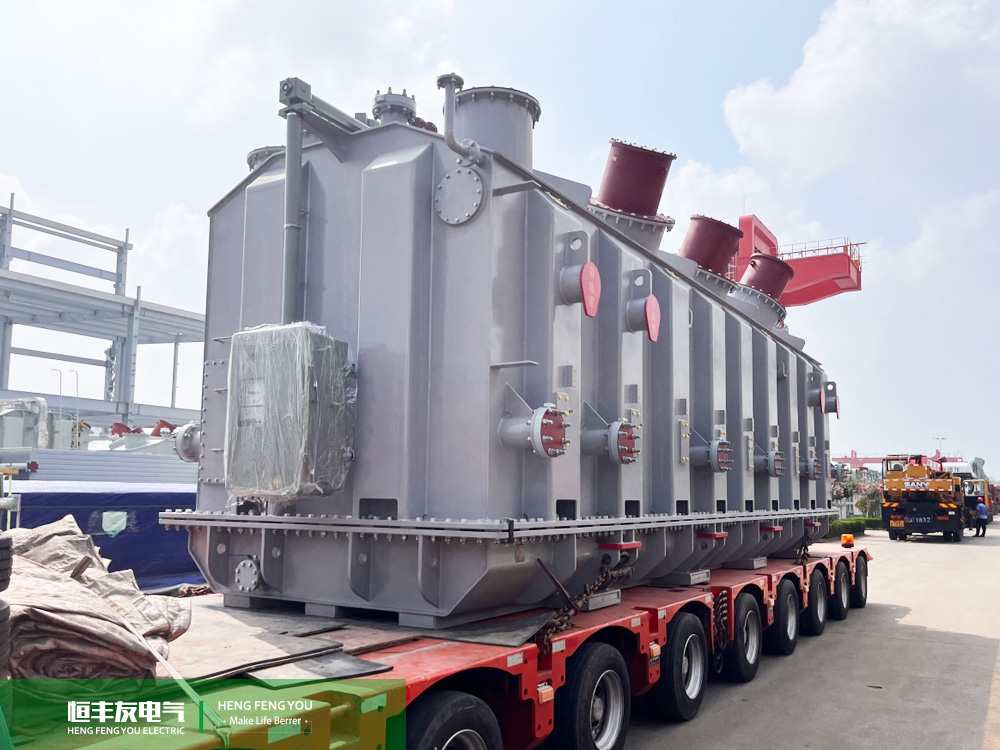
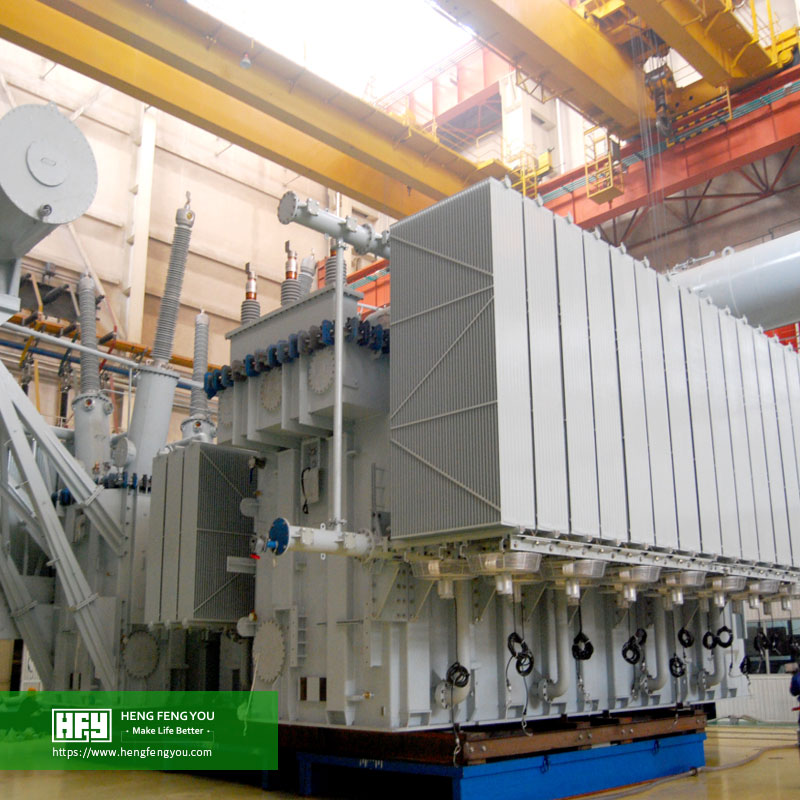
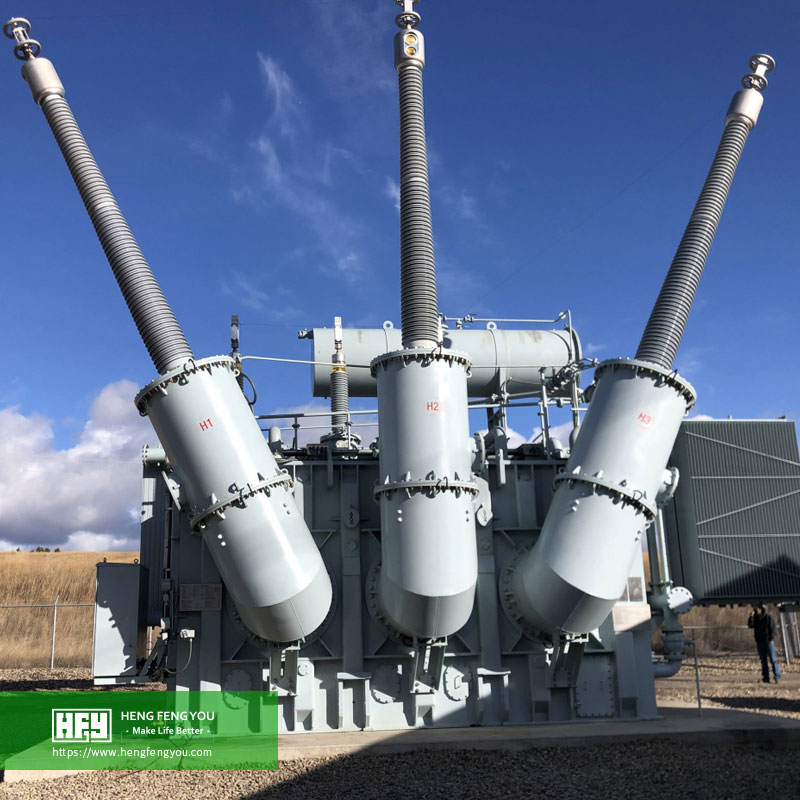
I. Substation Transformer Introduction
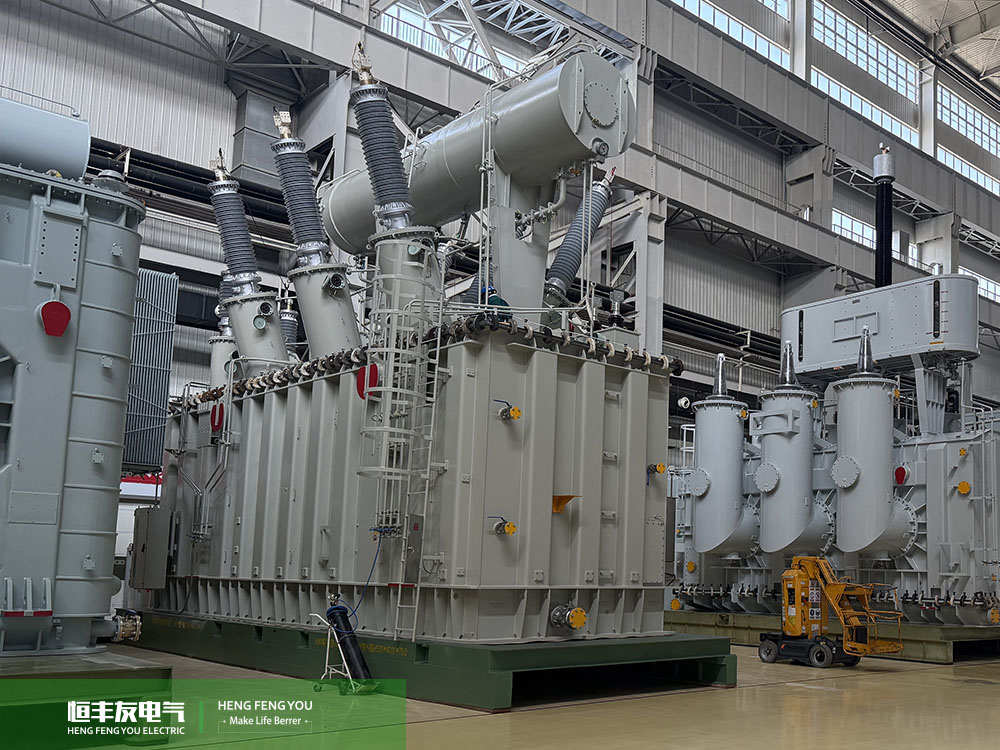
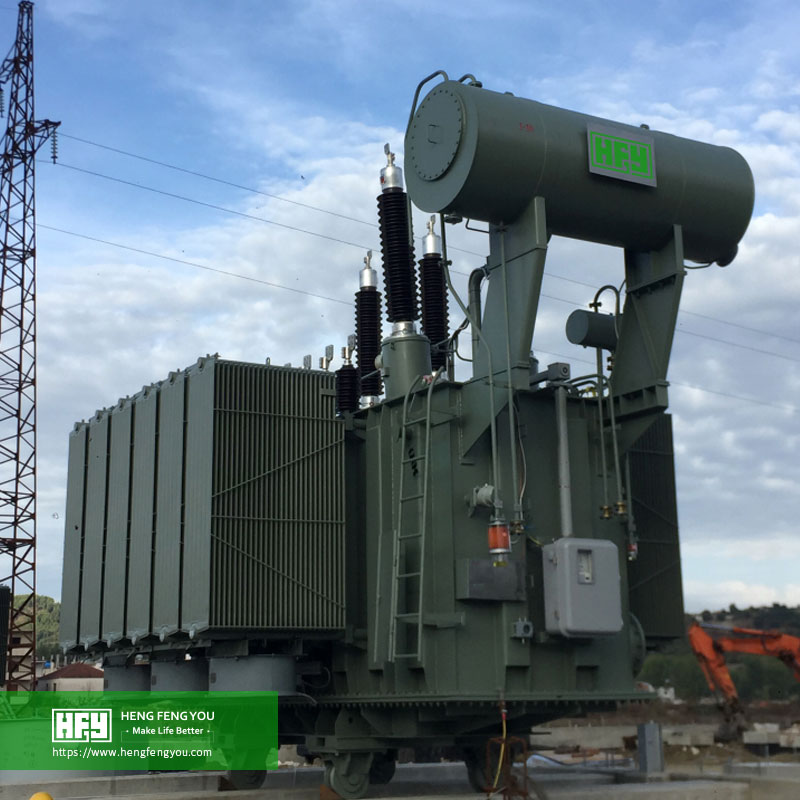
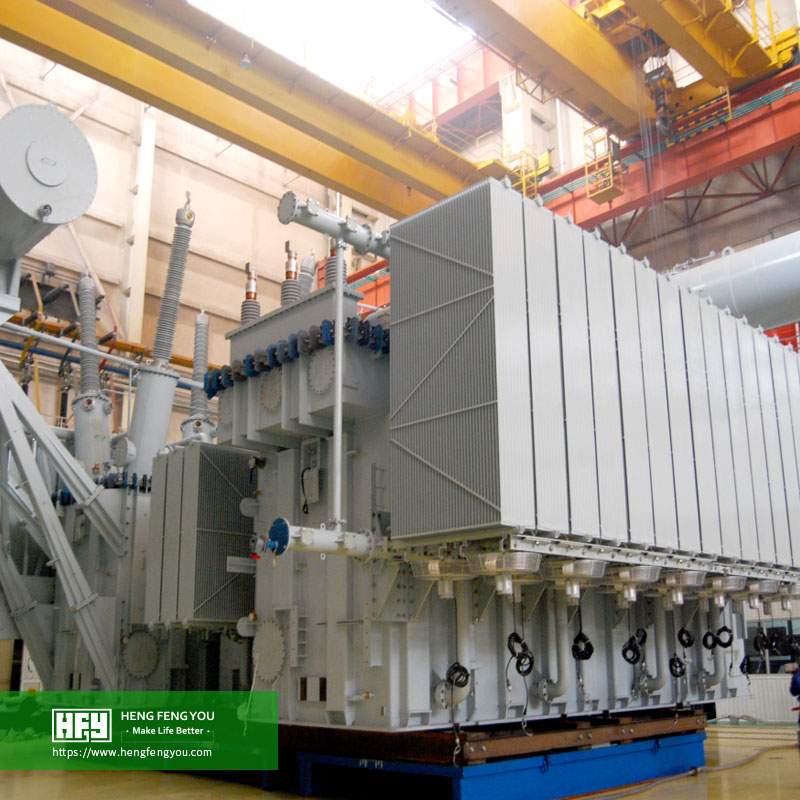
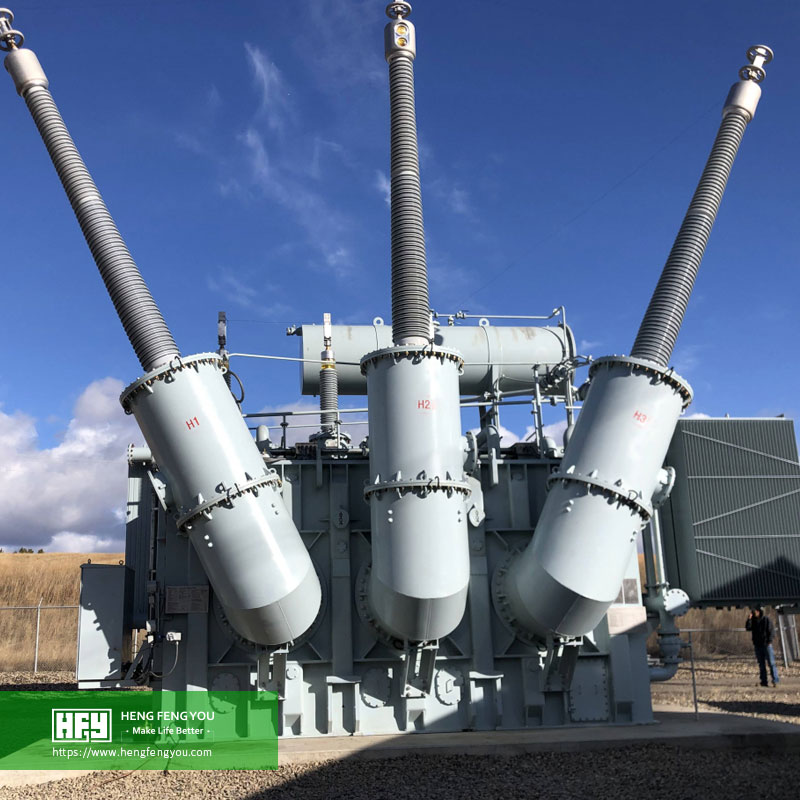
Substation transformers are critical electrical equipment engineered for modern power systems to step up or step down voltage, ensuring the highly efficient transmission and distribution of electrical energy. Our premium substation transformers support a wide range of common operational voltages, including 66kV, 110kV, 132kV, 220kV, 232kV, 330kV, 400kV, 500kV, and more.
By converting alternating current (AC) from one voltage level to another through advanced electromagnetic induction principles, these heavy-duty transformers effectively minimize energy losses during long-distance transmission while guaranteeing the absolute safety, reliability, and stability of the power supply.
Transmission and Distribution Network: Seamlessly connecting utility power plants with end-user electrical terminals to achieve ultra-long-distance, high-voltage power transmission.
Industrial Power Supply: Providing highly adapted and ultra-stable voltage power support for heavy industrial plants and large-scale manufacturing factories.
New Energy Grid Connection: Effectively regulating voltage fluctuations and stabilizing the grid integration of renewable energy sources, such as wind farms and solar photovoltaic (PV) power stations.

II. Substation Transformer Standards & Certificates
1. High-Efficiency Conversion: Manufactured with high-permeability grain-oriented silicon steel sheets (CRGO) and cutting-edge insulation materials, ensuring an exceptional energy conversion efficiency of over 98% to significantly lower transmission losses.
2. High-Reliability Design: Engineered with comprehensive overload protection, real-time temperature monitoring, and advanced surge/lightning protection to withstand harsh environments and guarantee stable 24/7 grid operation.
3. Energy Saving & Environmental Protection: Our oil-immersed transformers can utilize biodegradable natural ester insulating oil (FR3 fluid), drastically mitigating environmental pollution and fire hazards.
4. Flexible & Tailored Configuration: Fully supports customizable structural designs to perfectly match diverse utility voltage levels (e.g., 110kV, 220kV, 500kV) and large capacity requirements ranging from 10MVA to 400MVA.
5. Intelligent Smart Grid Upgrade: Integrates advanced Internet of Things (IoT) technology for real-time monitoring of operational data, remote digital operations, and early fault warnings.
6. International Quality Certifications: ISO, CE, IEC, SABS, COC, CSA, UL.
7. Robust Delivery Capability: Standard manufacturing lead time is 90 days, with an accelerated emergency delivery cycle available in as short as 50 days.
8. Compliance with Global Standards: Fully complies with GB, IEC, GOST, EN, NF, and ANSI/IEEE standards (completely customizable according to specific regional utility grid standards).
III. Substation Transformer Classifications & Types
Step-Up Transformers: Designed to raise the low-voltage output of generators (typically 10kV to 35kV) up to high-voltage transmission levels (such as 110kV to 500kV), drastically reducing line losses across long distances. Commonly deployed at power plant substation exits and renewable energy grid-connection points.
Step-Down Transformers: Engineered to step down high transmission voltages (such as 220kV) into manageable medium or low voltages (such as 10kV / 400V) for industrial power consumers or residential distribution networks. Commonly deployed at urban substations and large factory distribution rooms.
Tie / Interconnection Transformers (Contact Transformers): Utilized to bridge and connect power grids of different high-voltage levels (such as 220kV and 110kV) to dynamically balance power loads across different regions. Commonly deployed at major grid hub stations and cross-regional transmission nodes.
Oil-Immersed Power Transformers: Utilizing premium mineral or synthetic oil as the primary insulation and cooling medium. Features exceptionally high heat dissipation efficiency and huge power ratings (up to 500MVA or more). Highly cost-effective and dependable for outdoor high-voltage settings (e.g., 500kV large substations). Requires appropriate fire walls, oil conservator management, and scheduled maintenance.
Dry-Type Transformers: Insulated via solid epoxy resin casting or air-cooled designs. Completely oil-free, structurally fire-resistant, and explosion-proof. Highly eco-friendly and maintenance-free, making them perfect for indoor substations, dense urban environments, commercial malls, and underground transit/subways. Capacity is typically restricted to ≤20MVA at a higher relative cost.
Gas-Insulated Transformers (GIS Transformers): Utilizing Sulfur Hexafluoride (SF6) gas as the advanced insulation medium. Features an ultra-compact structure and excellent footprint reduction. Highly resistant to ambient pollution, making it the premier choice for inner-city central substations where land space is extremely limited.
Single-Phase Transformers: A single independent unit that processes one single-phase electrical circuit. Commonly, three individual units are interconnected to form a heavy-duty three-phase bank. Ideal for small-capacity remote power supply or ultra-high-voltage laboratory testing equipment.
Three-Phase Transformers: Integrates all three-phase windings into one single core structure. Features a highly compact footprint and occupies the dominant position in global utilities. Deployed across the vast majority of international power transmission and distribution networks.
Two-Winding Transformers: Configured with one High-Voltage (HV) winding and one Low-Voltage (LV) winding to perform a single-stage voltage conversion. Standard configuration for conventional step-up or step-down utility projects.
Three-Winding Transformers: Features three concentric windings corresponding to three distinct voltage levels, allowing the simultaneous interconnection of multiple grids (such as 220kV / 110kV / 10kV). Crucial for major grid interconnection hub stations.
Autotransformers: Features a shared, electrically linked winding section between the High-Voltage and Low-Voltage sides. Provides a drastically reduced physical size, lower weight, and exceptional efficiency. The dominant choice for ultra-high-voltage (UHV) and large-capacity systems (such as 500kV transmission grids).
Off-Circuit Tap Changer (OCTC) Transformers: Requires manual mechanical adjustment of the tap positions only after the transformer is completely de-energized during a planned power outage. Provides a highly economical and robust solution. Best suited for grids that experience minimal load-side voltage fluctuations.
On-Load Tap Changer (OLTC) Transformers: Equipped with intelligent automated mechanisms that adjust tap positions under live, fully loaded conditions to maintain a perfectly stable grid voltage output. Mandatory for industrial zones, urban centers, or renewable energy power stations with frequent, sharp load fluctuations.
| No. | ITEM | UNIT | Specification |
| 1 | Manufacturer & Place of manufacturing | HENGFENGYOU ELECTRIC | |
| 2 | Type | Three-winding , oil immersed power Transformer, Shell type | |
| 3 | Standards | IEC 60076, IEC 60214 | |
| 4 | Number of Windings | 2/3 | |
| 5 | Winding Configuration(Separate Winding/Auto) | Separate Winding | |
| 6 | Phase | 3 | |
| 7 | Mounting | Outdoor | |
| 8 | Rated frequency | Hz | 50/60 |
| 9 | Vector group | Yn yn0 D11 | |
| 10 | Cooling | ONAN/ONAF/OFAF/OFWF | |
| 11 | Rated Power: | 10MVA-400MVA | |
| 12 | Rated Voltage | N/A | |
| 12.1 | Primary (HV)Winding | kV | 50--400kv |
| 12.2 | Secondary (MV)Winding | kV | 35kv 33kv 20kv 11kv 10kv 6kv |
| 12.3 | Secondary (LV)Winding | kV | 35kv 33kv 20kv 11kv 10kv 6kv |
| 13 | Rated Current (HV/MV/LV) | A | 209 / 659/3849 |
| 14 | Tap Changer | OCTC/OLTC | |
| Number of tap positions | 7、13、17、19 | ||
| Tapping range | ±6×2% ;±8×1.75% |

Grow business with Hengfengyou
Our ultimate goal is to stand as the world's leading premium manufacturer of high-voltage electrical equipment. The extensive engineering expertise, field experience, and manufacturing technologies we have accumulated over decades have benefited power utilities, EPCs, and industrial customers in more than 50 countries worldwide.
Once global procurement managers establish a cooperative relationship with us, they remain long-term trusted partners. This is because HENGFENGYOU ELECTRIC always insists on delivering the absolute best-in-class electrical products, rigid quality control, and unparalleled life-cycle services.
VI. Substation Transformer Frequently Asked Questions (FAQ)
A: A substation transformer is the core heavy-duty equipment utilized within electric power systems to alter voltage levels. Utilizing the fundamental principle of electromagnetic induction, it steps up voltage to allow efficient long-distance transmission or steps down voltage to facilitate safe distribution, drastically reducing active power losses while adapting to different user demands. It is universally installed inside generation plants, transmission hubs, regional distribution networks, and massive industrial facilities to handle critical functions like energy conversion, grid interconnection, and automatic voltage regulation.
A: It is strongly recommended to conduct rigorous, routine engineering inspections every six months. For oil-immersed power transformers, the technical team must perform dielectric breakdown voltage testing, moisture content analysis, and dissolved gas analysis (DGA) on the insulating oil. For cast-resin dry-type transformers, maintenance focuses primarily on thorough dust removal, cleaning of the enclosure, and verifying the proper operation of the forced-air cooling fan system.
A: You should calculate the total electrical power demand based on the absolute peak load forecasted for the area, and then mathematically reserve a safety margin of 20% to 30% for future load growth and equipment longevity. For instance, if your calculated maximum peak load is 100MVA, it is highly recommended to procure a substation transformer with a rated capacity of 125MVA or above.
A: Transformers serving solar PV substations must explicitly support continuous bidirectional power flow to manage day-and-night cycles, possess robust anti-harmonic interference capabilities to mitigate inverter-induced distortion, and be engineered to seamlessly adapt to frequent, rapid voltage fluctuations—often requiring integration with a highly reliable On-Load Tap Changer (OLTC).
A: Decommissioning and scrapping decisions are typically triggered by three key technical indicators:
Severe, irreversible aging of the internal winding insulation (indicated by abnormal winding resistance and low insulation resistance).
Accumulated mechanical deformation or internal structural damage caused by surviving multiple massive short-circuit grid faults.
Operational energy efficiency dropping far below modern industry benchmarks, such as total load/no-load losses exceeding 15% of the initial factory baseline values.
A: A smart substation transformer natively supports comprehensive digital remote monitoring networks. It provides real-time tracking of top oil temperature, winding vibration, and online dissolved gas oil chromatography analysis (DGA). Furthermore, it provides automated fault self-diagnosis algorithms, asset energy efficiency optimization insights, and full digital compatibility with grid automation control systems via protocols like SCADA and IEC 61850.

WhatsApp:
+86 13969788801
+86 15853252696
Tel:+86-0532-68688801
Fax:+86-0532-87038801
Email: hfy@hengfengyou.com
Address: No.638,Zhongcheng Road, Chengyang District, Qingdao City,China
Leave a message now - get the latest industry insights, star products, and success stories of hengfengyou electric