WDZ-YJY Low Voltage Power Cable Global Procurement Guide
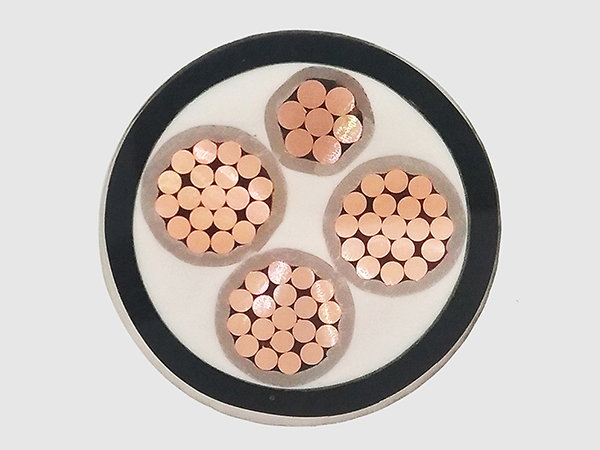
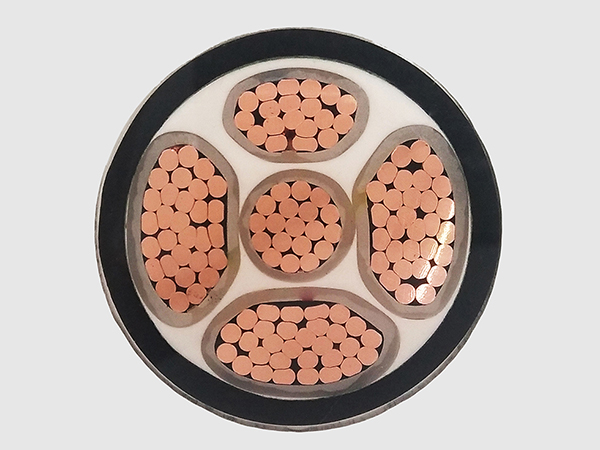
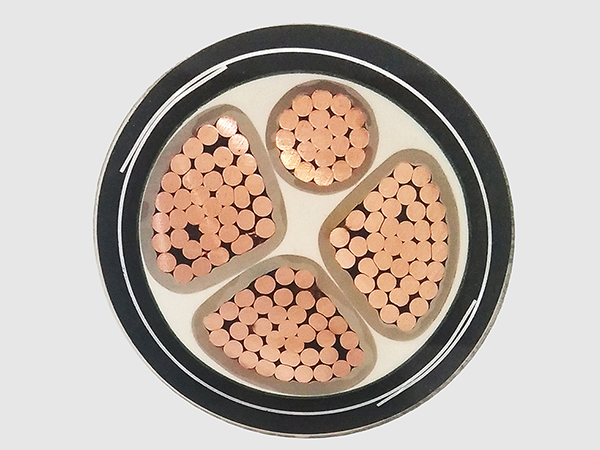
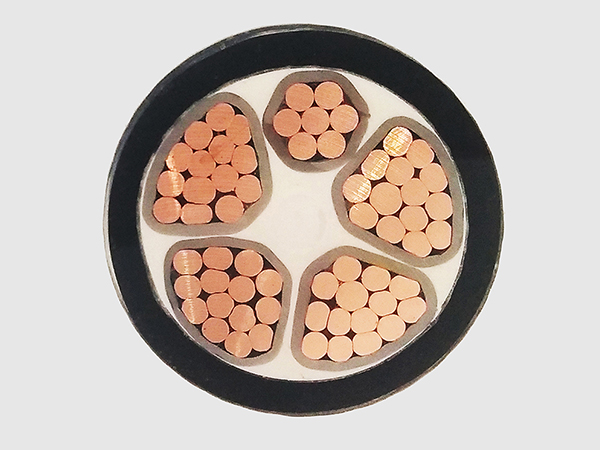
Rated voltage 0.6/1kv cross linked polyethylene insulated polyolefin sheathed low smoke halogen-free flame retardant power cable (non armored)
Product introduction
Scope of application
This product is applicable to AC 50Hz transmission and distribution lines with rated voltage of 0.6/1kv.
Executive standard
Gb/t 12706-2008 extruded insulated power cables and accessories with rated voltages from 1kV to 35kV
Gb/t19666-2005 general rules for flame retardant and fire resistant wires and cables
Model and specification
Model: wdz (a, B, C, d) -yjy
Name: copper core XLPE insulated polyolefin sheathed low smoke halogen-free flame retardant power cable
Nominal sectional area mm ²: 1.5-300 (1-5 cores)
Model: wdz (a, B, C, d) -yjly
Name: aluminum core XLPE insulated polyolefin sheathed low smoke halogen-free flame retardant power cable
Nominal sectional area mm ²: 1.5-300 (1-5 cores)
Model: wdz (a, B, C, d) n-yjy
Name: copper core XLPE insulated polyolefin sheathed low smoke halogen-free flame retardant fire-resistant power cable
Nominal sectional area mm ²: 1.5-300 (1-5 cores)
Guidelines for use
Rated voltage uo/u:0.6/1kv;
The long-term working temperature of the conductor shall not exceed 90 ℃;
The cable laying temperature shall not be lower than 0 ℃;
Minimum bending radius (D is the outer diameter of the cable)
Single core cable: 20d;
Multi core cable: 15d.
Special characteristics
Flame retardant products: the flame retardant characteristics meet the requirements of gb/t 19666-2005 general rules for flame retardant and fire resistant wires and cables;
Flame retardant and fire-resistant products: flame retardant and fire-resistant characteristics meet the requirements of gb/t 19666-2005 general rules for flame retardant and fire-resistant wires and cables.
Global Markets and Applications
The WDZ-YJY Low Voltage Power Cable is suitable for commercial buildings, public facilities, data centers, transportation infrastructure and modern industrial projects in China, Southeast Asia, the Middle East and other international markets. It is particularly suitable for locations with higher requirements for smoke control and fire safety, including enclosed buildings, underground facilities and densely occupied public spaces.
WDZ-YJY Low Voltage Power Cable Product Advantages
The WDZ-YJY Low Voltage Power Cable combines XLPE insulation, a low-smoke zero-halogen material system and a protective outer sheath, helping reduce smoke and corrosive gas emissions in the event of fire. Compared with conventional PVC-sheathed cables, its low-smoke and halogen-free characteristics make it a suitable choice for public buildings and enclosed environments where personnel safety and equipment protection are important.
WDZ-YJY Low Voltage Power Cable FAQ
-
What is the maximum operating temperature of WDZ-YJY cable?
The cable can withstand a maximum operating temperature of 90°C, with a short-circuit rating of 250°C (for 5 seconds).
-
What voltage rating does WDZ-YJY cable support?
It is rated for 0.6/1kV low-voltage applications, suitable for power distribution and industrial use.
-
Is WDZ-YJY cable flame retardant?
Yes, it has flame-retardant (WDZ) properties, complying with IEC 60332 and other international standards.
-
Can this cable be used in wet or humid environments?
Yes, it features moisture-resistant (YJY) insulation, making it suitable for damp or underground installations.
-
Does WDZ-YJY contain halogens?
No, it is halogen-free (LSZH), producing low smoke and non-toxic gases when exposed to fire.
-
What conductor materials are available?
Typically copper (Cu) or aluminum (Al), with stranded or solid conductors depending on the application.
-
Is the cable resistant to oils and chemicals?
The outer sheath provides basic resistance to oils and chemicals, but prolonged exposure may require additional protection.
-
Can WDZ-YJY be installed outdoors?
Yes, but direct sunlight or UV exposure requires additional UV-resistant conduit or protective covering.
-
What standards does WDZ-YJY comply with?
It meets GB/T 12706, IEC 60502, and other relevant international and national standards.
-
What is the bending radius during installation?
The minimum bending radius is typically 15x the cable diameter for fixed installations and 20x for flexible applications.