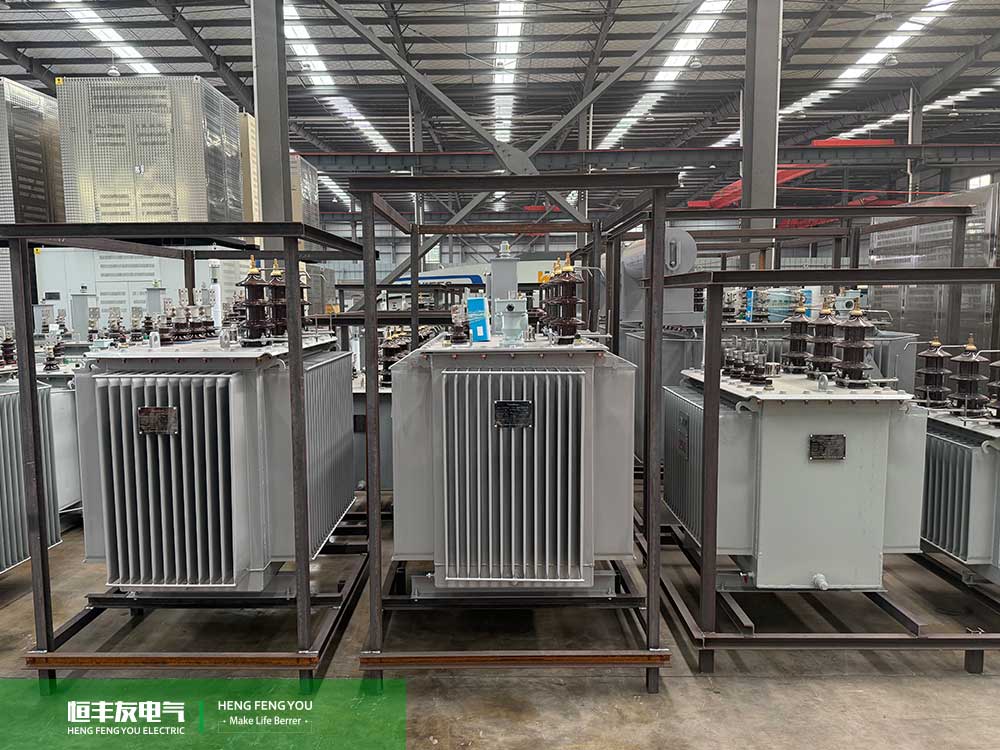
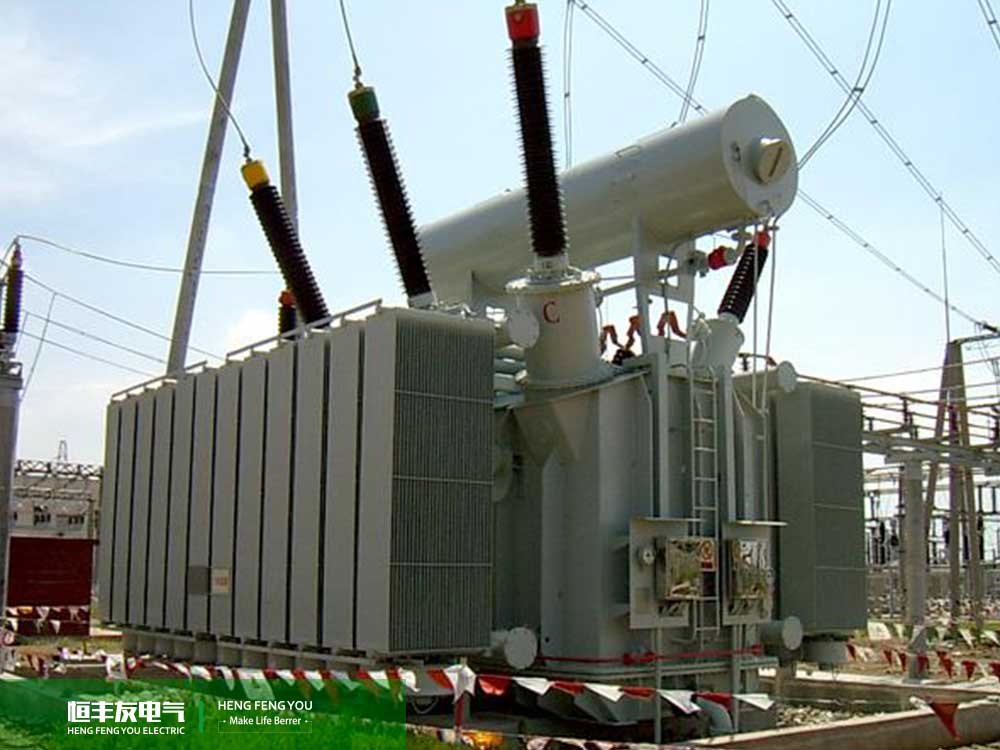
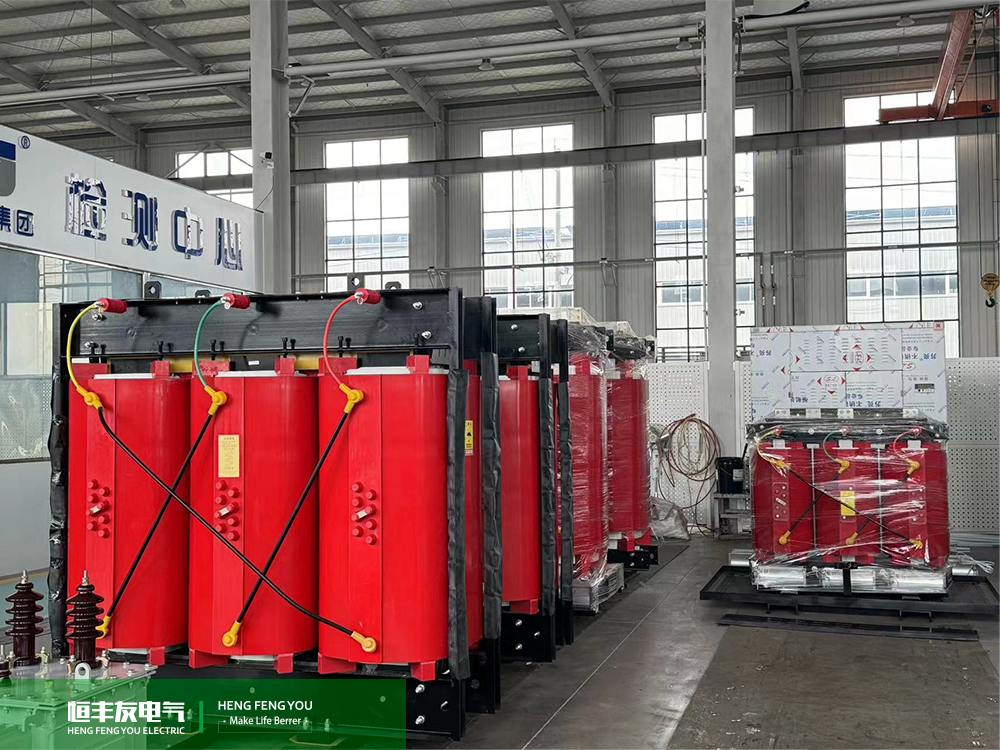
HENGFENGYOU ELECTRIC --SMART ELECTRIC GLOBAL SERVICE PROVIDER



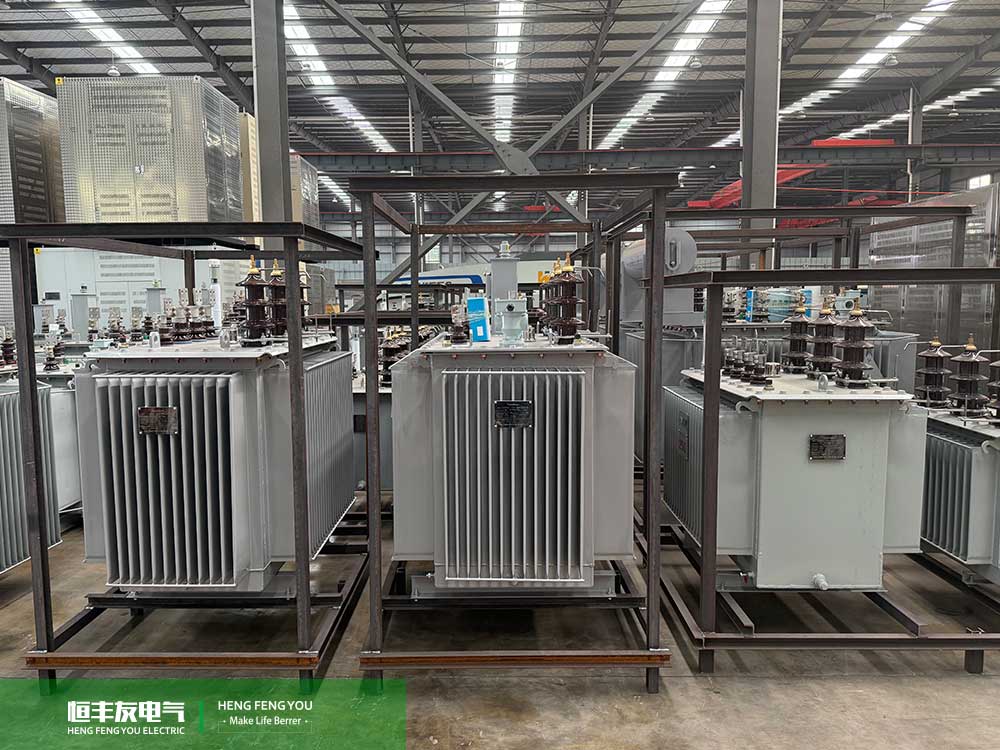
In the power distribution upgrade requirements of the Clark Freeport Zone in the Philippines, the 2000kVA pad-mounted transformer with 34.5kV high-voltage input and 2.4kV low-voltage output has become the core power distribution equipment. Leveraging its R&D and manufacturing experience in power transmission and distribution equipment since 1990, Hengfengyou Electric combines international certification standards such as ISO, CE, CSA, and UL to provide the Philippine market with a full-process integrated solution from design, production, and testing to delivery, supporting the stable operation of the local power system.
This solution customizes a 2000kVA pad-mounted transformer for Philippine regional power distribution scenarios. The equipment integrates the transformer, switching equipment, fuses, tap changers, low-voltage distribution devices, and auxiliary equipment into one unit. It is adapted to the local complex climate and electricity environment, meeting international execution standards such as ANSI C57, DOE, CSA, IEEE, and IEC60067. It can be widely used in industrial parks, urban residential areas, commercial centers, high-rise buildings, and other locations.
Table: Main Technical Parameters of the Pad-Mounted Transformer
| Parameter | Technical Specifications | Remarks |
| Model | ZGS Series Pad-Mounted Transformer | Integrated combined design |
| Rated Capacity | 2000kVA | Continuous rated capacity |
| Voltage Combination | 34.5kV / 2.4kV | HV 34.5kV, LV 2.4kV |
| Rated AC Frequency | 60Hz | Adapted to Philippine grid frequency |
| Max Operating Voltage | 38.5kV (+-2*2.5%) | Reserved voltage redundancy space |
| Vector Group | Adapted to ANSI standard connection | Meets LV distribution stability |
| Core Certifications | ISO, CE, CSA, UL | International multi-certification compliance |
| Applicable Environment | High temperature, high humidity, etc. | Local Philippine environment adaptation |
The design team carried out electromagnetic calculations and adaptability designs based on Philippine grid standards and actual user power loads. Professional simulation software was used to calculate transformer loss, temperature rise, and short-circuit impedance to determine the parameters of core components such as the iron core and windings. For the 2000kVA capacity, high-magnetic-permeability grain-oriented silicon steel sheets were selected to reduce no-load loss, and the winding method was optimized to meet 34.5kV high-voltage insulation requirements, ensuring operational efficiency and safety under local grid conditions.
After completing the electromagnetic scheme, a full set of construction drawings was designed (a 3-person technical team took approximately 12 days). The core design content included:
Iron Core and Winding Drawings: Specified core lamination methods, winding insulation thickness, and oil duct distribution, adapted for 60Hz operation.
Insulation and Accessory Drawings: Designed insulation structures such as angle rings and electrostatic plates; selected accessories like fuses, tap changers, and low-voltage circuit breakers to meet U.S. DOE 2016 energy efficiency regulations.
Tank and Protection Drawings: Analyzed tank strength via ANSYS finite element analysis; adopted anti-corrosion coating designs for the high-humidity environment of the Philippines while reserving heat dissipation and rainproof structures for outdoor installation.
Internal reviews were organized across technical, process, and quality departments. The focus was on reviewing electromagnetic performance, structural strength, process feasibility, and local compliance in the Philippines to ensure the design met technical agreements and certification requirements before entering production.
Strict adherence to the Hengfengyou Electric SQA quality inspection system was maintained for full re-inspection of core materials:
Silicon Steel Sheets: High-permeability oriented silicon steel was selected, testing magnetic performance and thickness accuracy.
Conductors and Insulation Materials: T1 oxygen-free copper flat wires were used; insulation boards and cable paper underwent moisture content and electrical strength tests to ensure insulation reliability.
Transformer Oil and Protective Materials: Temperature-resistant transformer oil adapted to the Philippine climate was used; anti-corrosion coatings and sealants passed salt spray tests to guarantee long-term outdoor operation.
Iron Core Manufacturing: Silicon steel sheets were precision-sheared, deburred, and coated with insulation before being stacked using a six-step lap joint method to reduce magnetic resistance and no-load loss. No-load loss and current tests were performed after stacking.
Coil Manufacturing: Windings were wound in a constant temperature and humidity clean workshop. High-voltage windings adopted a multi-layer insulation structure, and low-voltage windings ensured turn-to-turn uniformity. DC resistance and turns ratio were tested for each unit after winding.
Tank Manufacturing: After steel plate cutting and welding, kerosene leakage tests were conducted. Following sandblasting and anti-corrosion spraying, coating thickness and adhesion were verified to meet outdoor C4-level anti-corrosion requirements.
Active Part Assembly: Coils, insulation parts, and the iron core were precision-assembled. Leads were connected using silver-copper welding, and accessories like tap changers and fuses were installed according to specifications, with cleanliness controlled throughout.
Drying Treatment: Three stages of vacuum drying (totaling 60 hours) were conducted to remove moisture from insulation materials, ensuring insulation resistance and electrical performance for stability in high-humidity environments.
The dried active part was placed into the anti-corrosion tank. Bushings, radiators, oil conservators, and other accessories were installed, and low-voltage distribution circuits and monitoring elements were connected. After final assembly, the unit was vacuumed to ≤133Pa and maintained for 24 hours, followed by vacuum oil filling to ensure no bubbles or leaks.
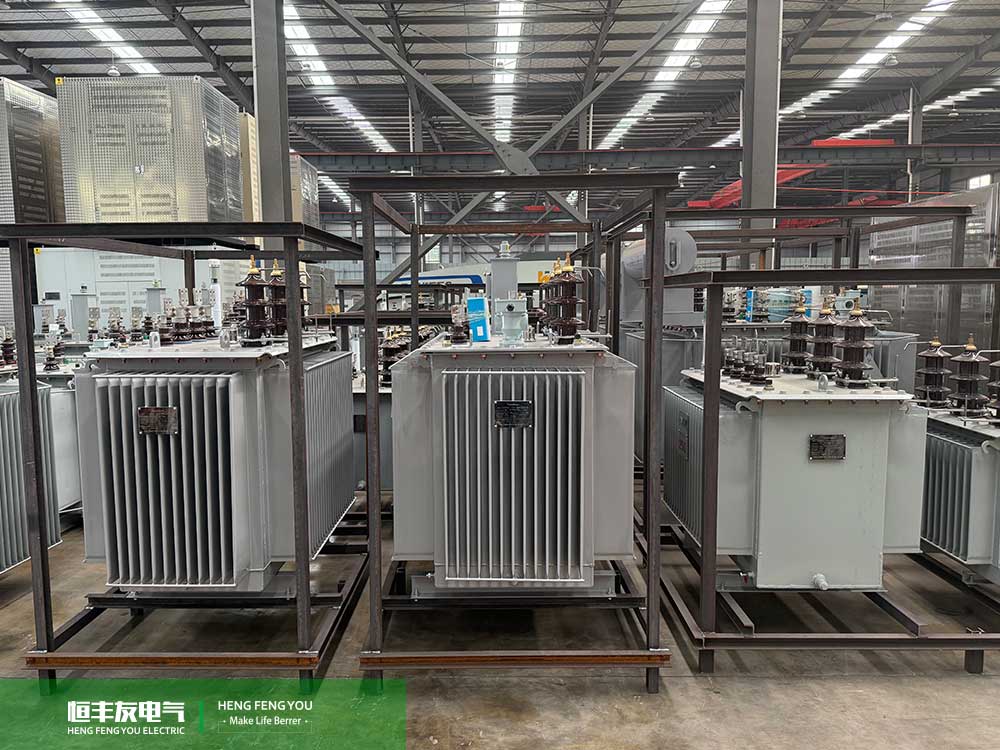
Each pad-mounted transformer underwent a full set of routine tests before leaving the factory, including:
Electrical Performance Tests: Winding DC resistance, voltage ratio, and vector group detection to ensure accurate ratios and polarity.
Insulation and Oil Quality Tests: Measurement of insulation resistance and dielectric loss; breakdown voltage, moisture, and chromatography analysis of transformer oil.
Operational Performance Tests: No-load/load loss and temperature rise tests to verify efficiency at 60Hz.
Protection Function Tests: Tap changer action tests and fuse matching tests to guarantee distribution safety.
Specific type tests were conducted based on Philippine market requirements:
Lightning Impulse Test: Verified the equipment's ability to withstand local lightning overvoltages.
Partial Discharge Measurement: Discharge level ≤100pC to ensure insulation safety.
Sound Level Measurement: Noise controlled to ≤60dB (A) to suit residential and commercial environment requirements.
Environmental Adaptation Test: Operational stability tests under high temperature and high humidity to verify reliability in the local climate.
All test data were archived into a complete Factory Acceptance Test (FAT) report delivered with the product.
After passing tests, targeted protection was implemented for Philippine island transportation and outdoor installation:
Bushings, radiators, and low-voltage distribution modules were disassembled and packed separately.
The tank flange interfaces were fitted with sealing covers and filled with dry nitrogen (pressure 0.01-0.03MPa) to protect internal insulation.
Shock-absorbing buffers were added to key components to avoid mechanical damage during transit.
The main body was packed using wooden skids and waterproof/rainproof cloth. Accessories were packed in wooden cases labeled with center of gravity, lifting points, "Do Not Invert" signs, and local Philippine shipping marks. Documents included the certificate of conformity, FAT report, installation manual, and packing list.
Based on Philippine logistics characteristics, multi-axle semi-trailers were used. Transportation permits were handled in advance, and sea-land routes were planned to avoid bridge weight limits. A 3D impact recorder was installed to monitor vibration and shock data in real-time, ensuring safety.
Upon arrival at the project site, an unboxing inspection was conducted with the user:
Checked for rust, bumps, or leaks, and verified accessory quantities against the packing list.
Measured nitrogen pressure to judge sealing status and read impact recorder data to confirm no damage occurred during transit.
Verified certifications and test reports for compliance with DOE 2016 and local Philippine grid standards.
Core processes followed local Philippine installation codes:
Positioning: Hydraulic equipment was used to position the transformer accurately, ensuring levelness and height.
Accessory Installation: Radiators, bushings, and LV modules were installed per drawings; cables and control loops were connected.
Vacuum Oil Filling: After vacuuming to the specified value, transformer oil adapted to the Philippine climate was injected, strictly controlling temperature and speed.
Standing and Venting: The unit stood for 48 hours after oil filling, with gas released multiple times from the gas relay to eliminate internal bubbles.
After installation, handover tests were conducted according to Philippine grid standards and the DL/T 5161 series:
Insulation and Oil Re-testing: Insulation resistance, dielectric loss, and simplified oil analysis.
Electrical Performance Verification: DC resistance, voltage ratio, and vector group detection.
Protection and Operation Tests: Tap changer action, cooling system switching, and Buchholz relay verification.
Voltage Withstand and Deformation Tests: AC withstand test and frequency response analysis (FRA) to ensure no damage occurred during transit.
After successful SAT, five no-load impulse closing tests were performed to check inrush current and protection actions. After 24 hours of no-load operation without abnormalities, the unit was officially put into load operation. Technical personnel remained on-site for guidance.
Design Phase: Compliance review and technical audit, ensuring 100% certification for Philippine local standards.
Production Phase: Material re-inspection, core/coil process inspection, and cleanliness control during assembly.
Ex-factory Phase: Full-item FAT acceptance; non-conforming products are strictly prohibited from leaving.
Transportation Phase: 3D impact recorder monitoring with traceable archived data.
Site Phase: Comparison between SAT and FAT data to ensure no performance degradation.
Complete technical documentation was delivered to the Philippine user, including: Certificate of Conformity, FAT Report, Installation/Maintenance Manuals, accessory manuals, assembly drawings (digital), and the SAT Report, along with technical guidance documents in the local language.
The full-process solution provided by Hengfengyou Electric for the Philippine 2000kVA-34.5kV-2.4kV pad-mounted transformer is not just a customized delivery of equipment, but a deep adaptation based on local grid standards, climate, and power needs. Relying on manufacturing experience since 1990, an R&D investment of 6% of revenue, and the production capacity of 6 major bases, we have provided high-quality solutions to more than 50 countries worldwide.
Contact Hengfengyou Electric immediately (hfy@hengfengyou.com) to obtain customized pad-mounted transformer services for the Philippines and help your local power system operate efficiently and stably.
WhatsApp:
+86 15853252696(Jack)
+86 135 8926 2999(MARTIN)
Tel:+86-532-87936206
Fax:+86-532-87936207
Email: hfy@hengfengyou.com
Address: Address: No.638,Zhongcheng Road, Chengyang District, Qingdao City,China
Leave a message now - get the latest industry insights, star products, and success stories of hengfengyou electric