HENGFENGYOU ELECTRIC --SMART ELECTRIC GLOBAL SERVICE PROVIDER



Writer: Hengfeng you electric Time:2026-05-07 views:times
As the core hub of the power transmission and distribution network, the initial overall planning layout and civil engineering construction of a substation directly affect equipment installation quality, daily O&M efficiency, safety protection levels, and future expansion space. A scientific and reasonable overall layout not only standardizes equipment arrangement and saves construction land but also mitigates latent operational hazards at the infrastructure level. It is an indispensable key link in the process of substation construction and renovation. This article, presented by Shawn (hfy@hengfengyou.com), Chief Technical Expert at Hengfengyou Electric, analyzes the core technical logic of substation construction and planning for you.
I. Scientific Zoning: Adhering to Four Core Layout Principles The overall floor plan of a substation must strictly follow four core principles: electrical safety, smooth process flow, convenient O&M, and reserved expansion space. The station is functionally divided into four major blocks: the high-voltage power distribution unit area, the main equipment area, the reactive power compensation area, and the main control integrated building area. Each area has clear boundaries to ensure zero mutual interference.
High-voltage primary equipment is arranged orderly according to the direction of incoming and outgoing lines. Electrical safety distances between equipment are strictly controlled to eliminate hazards such as high-voltage discharge and phase-to-phase interference. The station layout includes dedicated inspection paths and transport channels for heavy equipment maintenance, achieving the separation of operation areas and personnel flow. This meets daily inspection needs and accommodates heavy equipment lifting or replacement. Furthermore, spare intervals and equipment slots are reserved during the planning stage to adapt to regional load growth, preventing future expansions from disrupting the original layout.
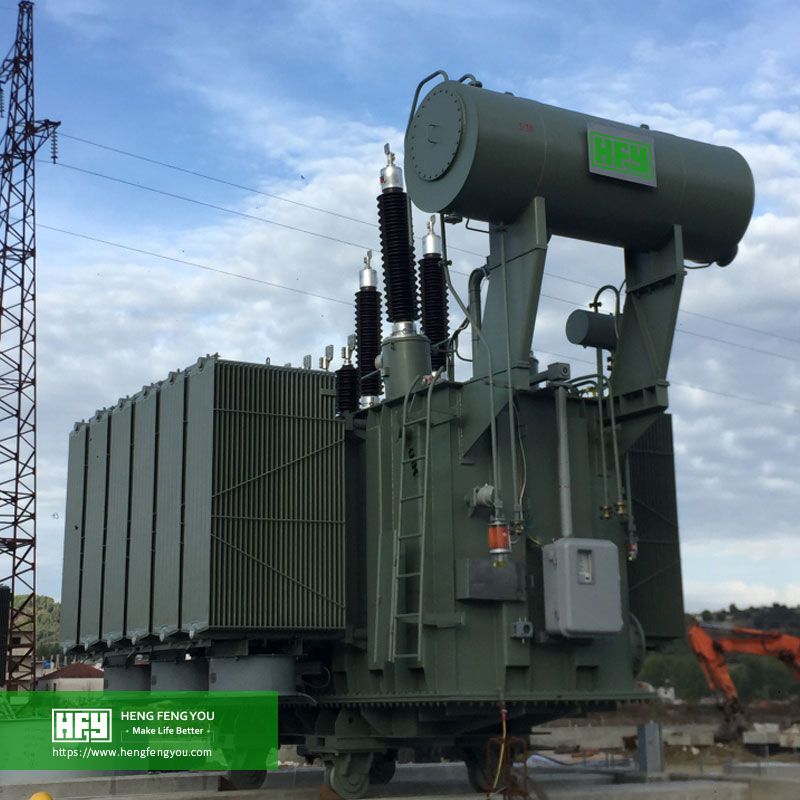
II. Infrastructure Foundation: Quality Control of Civil Engineering Civil engineering is the fundamental support for the stable operation of a substation, covering key sub-projects such as equipment foundations, cable structures, station-wide grounding, and perimeter security.
Equipment Foundation Construction: The foundations for all high-voltage switches, distribution devices, and transformers must undergo strict control regarding pouring strength, levelness, and settlement standards. This prevents equipment tilting over the long term, which could cause loose wiring or insulation deviation.
Cable Trench Protection: Cable trenches within the station implement separate routing for strong and weak currents. Waterproofing, seepage prevention, drainage sloping, and fire sealing treatments are essential to prevent cables from being soaked in accumulated water or fire from spreading along the trenches.
Station-wide Grounding System: A unified ring grounding grid is laid throughout the station, integrating equipment working grounds, lightning protection grounds, and building protective grounds. By managing the overall grounding resistance parameters, the system effectively resists safety risks brought by lightning overvoltage or single-phase grounding conditions.
III. Auxiliary Facilities: Environmental Governance and Fire Security Systems Environmental supporting and auxiliary facility planning are also vital components of the overall substation construction.
The station is equipped with a comprehensive rainwater drainage system, utilizing ground slopes and drainage ditches to quickly discharge rainwater and prevent backflow into equipment foundations or cable trenches. Green isolation belts are set up around the perimeter to reduce noise, prevent dust, and isolate external debris interference. Firefighting facilities are configured differently across zones; the high-voltage area, main control building, and capacitor area are equipped with appropriate firefighting equipment and fire partitions to build a comprehensive protection system. Simultaneously, standardized lighting, ventilation, and access control systems are implemented to meet the requirements of 24/7 attendance, night inspections, and closed security management.
IV. O&M Orientation: User-Centric Design and Renovation of Aged Stations A reasonable overall layout must fully consider the actual needs of subsequent O&M management. Sufficient maintenance and operation space is reserved between equipment. The main control building is sited with a wide field of vision to allow direct observation of the operating status of core equipment. A standardized identification system is established throughout the station, ensuring that equipment numbering, safety warnings, and walking routes are clear and regulated to standardize daily switching operations and inspection processes.
When upgrading and renovating aged substations, the same general planning logic should be followed. Under the premise of ensuring no power outage or minimal downtime, equipment arrangement should be optimized and civil engineering gaps filled to comprehensively improve the overall operating conditions of the old station.
Conclusion In summary, substation general planning layout and civil engineering construction is a systematic project that balances multiple dimensions: electrical safety, infrastructure construction, daily O&M, and long-term development. Only by coordinating planning from a global perspective and strictly controlling infrastructure standards can operational failure risks and subsequent O&M costs be reduced at the source, ensuring that the substation undertakes its power supply functions as a grid hub safely, steadily, and reliably for the long term.
WhatsApp:
+86 13969788801
+86 15853252696
Tel:+86-0532-68688801
Fax:+86-0532-87038801
Email: hfy@hengfengyou.com
Address: No.638,Zhongcheng Road, Chengyang District, Qingdao City,China
Leave a message now - get the latest industry insights, star products, and success stories of hengfengyou electric