HENGFENGYOU ELECTRIC --SMART ELECTRIC GLOBAL SERVICE PROVIDER



Writer: Hengfeng you electric Time:2026-03-13 views:times
Transformers are core equipment in power transmission and distribution systems. Their operating efficiency and stability directly affect the overall energy consumption and safety of the power grid. With the advancement of carbon reduction goals and the continuous upgrading of smart power systems, energy-saving transformer technologies and scientific maintenance practices have become key concerns within the industry. The following sections outline the major directions of technological upgrades and the essential points of transformer maintenance.
Traditional transformer cores were typically made from conventional silicon steel sheets. Modern energy-efficient transformers, however, commonly use high-permeability grain-oriented silicon steel combined with optimized 45-degree step-lap joint structures, which significantly reduce core losses.
For windings, manufacturers increasingly adopt low-resistivity copper conductors or advanced aluminum alloy conductors to reduce copper losses. In addition, compact winding techniques improve heat dissipation efficiency, enabling transformers to operate with lower losses under various load conditions.
Dry-type transformers generally adopt a fully sealed epoxy resin cast structure, which enhances insulation performance while reducing airflow resistance during heat dissipation.
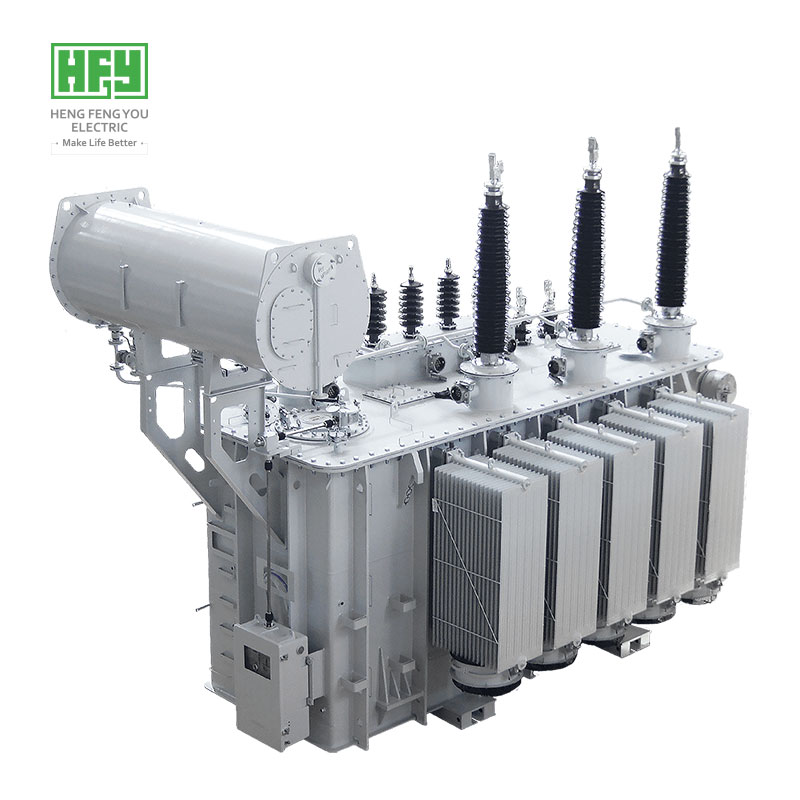
Oil-immersed transformers have evolved toward fully sealed oil tank designs equipped with high-efficiency radiators or forced oil circulation cooling systems. These improvements allow transformers to maintain high-capacity output while reducing cooling energy consumption and effectively preventing insulation oil oxidation and leakage.
Energy-efficient transformer technology has progressed significantly over the years. Early models such as the S9 and S11 oil-immersed transformers have gradually been replaced by S15 energy-saving oil-immersed transformers and SCB14 dry-type transformers.
With these upgrades, energy efficiency levels have steadily improved. Today, Grade-1 energy-efficient transformers are becoming the mainstream choice in the market. Compared with traditional products, their no-load losses and load losses can be reduced by more than 30%, which significantly lowers power waste during long-term operation.
Since dry-type transformers rely on air convection for cooling, it is essential to regularly remove dust and debris from the winding surfaces to prevent blockage of ventilation channels.
Operating temperature should be closely monitored, especially in enclosed environments such as high-rise buildings and data centers, where temperature monitoring devices are often required to prevent overheating and insulation aging.
In addition, the resin cast insulation layer should be inspected for cracks or peeling to ensure proper insulation performance. A comprehensive insulation inspection is generally recommended every two to three years.
For oil-immersed transformers, the most critical factor is the quality of the insulating oil. Regular testing should be conducted to measure dielectric loss, breakdown voltage, and moisture content. If oil quality deteriorates, it should be filtered or replaced promptly.
Maintenance personnel should also check oil tank seals to prevent leakage that could compromise cooling and insulation performance.
Radiator surfaces should be cleaned to remove dust and oil contamination to maintain effective heat dissipation. For transformers installed outdoors, additional rainproofing and corrosion protection measures are necessary. Oil quality and sealing performance should typically be inspected once a year.
Regardless of whether a transformer is dry-type or oil-immersed, maintenance should follow the principle of “prevention first, maintenance as needed.”
Establish operational records
Maintain detailed logs of load changes, temperature data, and maintenance history to support early fault detection and predictive maintenance.
Avoid overload operation
Load levels should be dynamically adjusted according to actual demand to prevent prolonged overloading, which can cause winding overheating and accelerate insulation aging.
Regularly test protection systems
Protective devices such as gas protection (Buchholz relay) and overcurrent protection should be periodically tested to ensure rapid response in case of faults and to prevent accidents from escalating.
The transformer industry is increasingly moving toward higher energy efficiency, intelligent monitoring, and longer service life. The application of advanced energy-saving materials and smart monitoring technologies not only reduces operational energy consumption but also provides valuable data support for maintenance management.
For power users and utilities, selecting transformers with appropriate energy efficiency ratings and implementing proper maintenance strategies can significantly reduce long-term operating costs while ensuring the stable and reliable operation of power systems, ultimately supporting the development of a greener and more sustainable energy infrastructure.
WhatsApp:
+86 13969788801
+86 15853252696
Tel:+86-0532-68688801
Fax:+86-0532-87038801
Email: hfy@hengfengyou.com
Address: No.638,Zhongcheng Road, Chengyang District, Qingdao City,China
Leave a message now - get the latest industry insights, star products, and success stories of hengfengyou electric